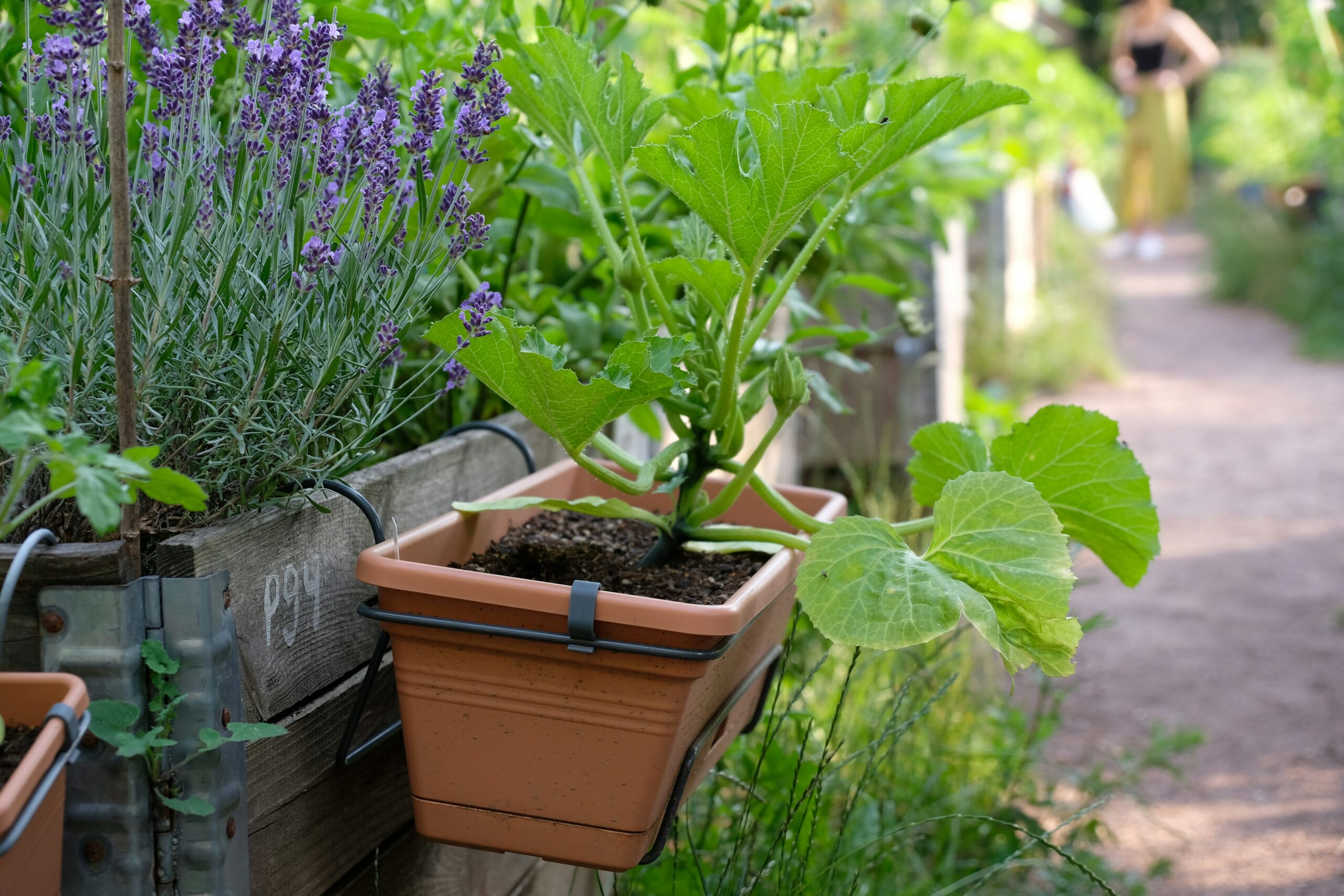
How to maintain terrace garden? A beautiful, green terrace/ rooftop garden. You do not need some fancy gear or expensive items. You need consistent and repeated care. There are various benefits of maintaining a healthy garden, including mental peace. In this blog, you will learn how to maintain a garden on a busy, tight schedule in simple, quick, and easy steps.
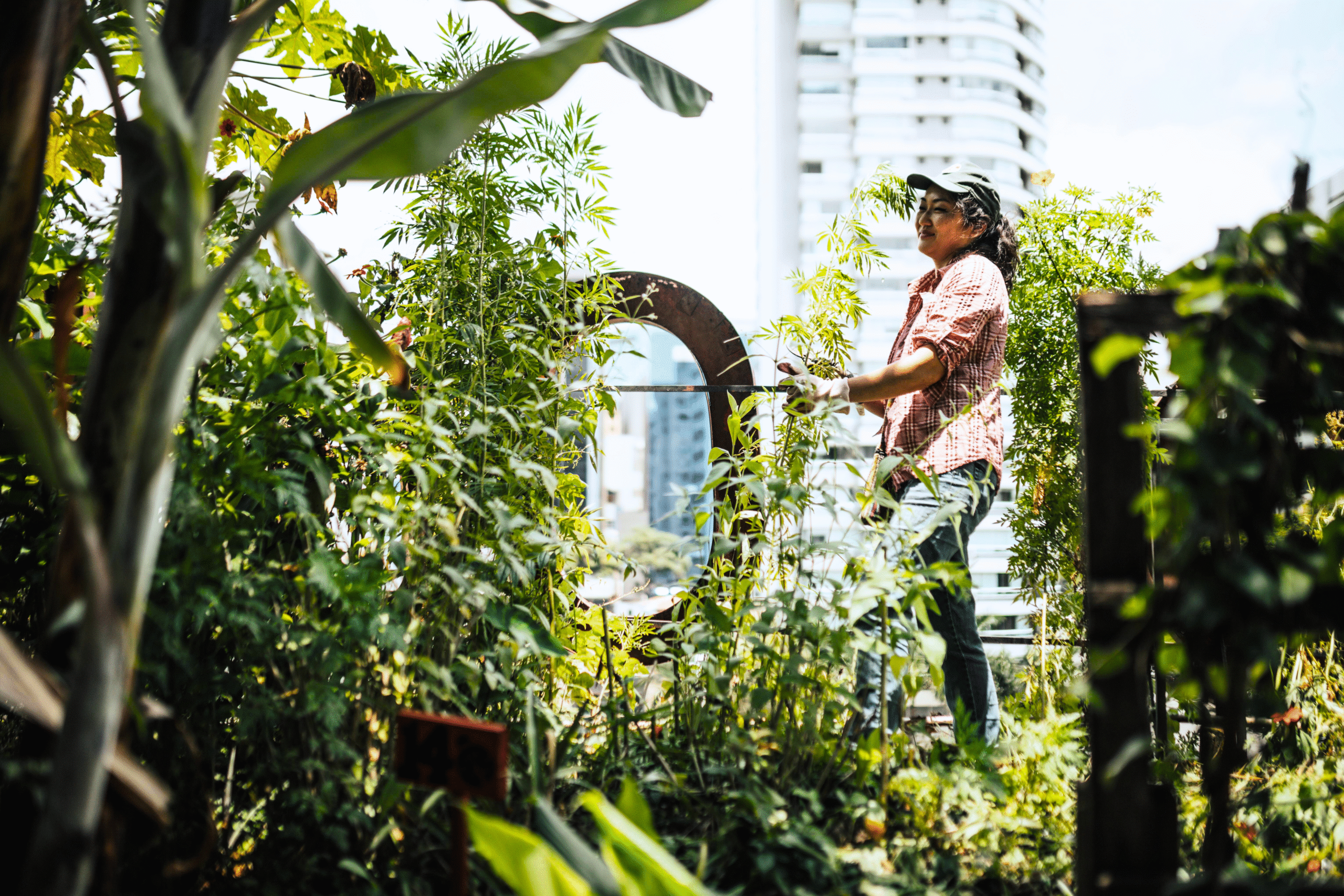
How to maintain terrace garden’s basic needs:
There are some fundamental but essential needs for your terrace garden. Which are –
- Sunlight – Sunlight is one of the most essential elements for maintaining a healthy garden, because plants need an adequate amount of sunlight to make food [glucose] for themselves. When you are setting up a garden, position your plants according to their sunlight needs.
- Water – Water is also one of the crucial elements for plants. Most of the healthy plant is made up of 80-90% water. So, you need enough water in your terrace garden to keep it green. In this blog, we will discuss more about good watering practices.
- Fertile soil – You should plant your plants in fertile soil because soil is the home for plants. Plants take their various essential micronutrients, like nitrogen, potassium, and phosphorus, from soil. So, a high-quality, well-fertilized soil leads to a healthy and disease-free terrace garden.
- Drainage system – a good drainage system prevents root rot in your plants, which can lead to the death of your healthy plants. So, you should have a nice drainage system in your planters as well as on your roofs.
Assessing sunlight exposure:
To assess sunlight exposure in your garden, you should identify sunny and shaded areas.
There is a rule for identifying sunlight exposure in your terrace garden, which my uncle taught me. The rule is –3\4 photo rule. First, you capture 4 photos of the garden in the morning, 4 photos at noon, and 4 photos in late afternoon. Then, by examining those photos you clicked, you can identify which place is suitable for which plant from the following list.
Place gets sunlight the whole day –
[ 8-10 hours of sunlight].
Plants suitable for these places are –
- Carrot
- Beet
- Annual vegetables
- Onion, garlic
- Most flowering plants, like the Rose
- Fruit plants
Place gets partial sunlight-
[4 – 6 hours of sunlight]
Plants suitable for these places are –
- leafy vegetables like cabbage, cauliflower, and broccoli
- herbs
Places get only morning sunlight-
[ approx. 2 hours of sunlight]
Plants suitable for these places are-
- Ferns
- Moss
- Snake plants
- ZZ plants
Fully shaded areas in your garden-
Plants ideal for these areas are-
- Most indoor or low-light plants thrive beautifully in indirect light.
Ensuring proper drainage and waterproofing –
For terrace garden maintenance, proper drainage and waterproofing are the most important jobs. Waterproofing of roofs is the first step to take for setting up a terrace garden, as it prevents building damage and roof damage from excess water.
Then, ensure that you have a proper drainage system for your terrace garden. If you have an existing drainage system the you should check it thoroughly.
Pro-tip: Inspection of the waterproofing and drainage system before setting up a terrace prevents building damage and costly repairs.
Creating a perfect watering schedule :
In gardening, watering is the most crucial maintenance task because a proper watering schedule can make your garden thrive and green.
Majorly, fruiting, flowering, leaf health, leaf glaze, plant health, and disease resistance depend on your watering practices. The watering needs of plants majorly depend on climatic conditions or seasons. Frequent climate change makes watering more crucial than it actually is.
Pro-tip: Water only when the plant needs it, not when you want.
– Summer watering techniques and tips : [ March – June ]
In these months in India, generally climate is- high temperature and high humidity. So, the evaporation rates of water from plants and soil increase, so you need to increase your watering frequency.
If you observe the following signs, then you should increase your watering frequency – [ Signs of dehydration ] –
- Yellowing of leaves
- Brown or scorched edges of leaves
- weak leaves during the day
- leaf colour faded
- loss of the glaze of leaves
- leaf curling.

* Tips to keep in mind during summer –
- Container plants need more frequent watering because of their low water-holding capacity.
- Generally, water twice daily.
- Prefer Morning and evening time for watering because at this time, there is a low Evapotranspiration rate. So, plants get more water for their own use.
- Use Mulching [cover your soil surface with straws, plastic, and wooden chips] to retain moisture in the soil.
- Check soil moisture regularly.
- Water when the top 1-2 inches dry out.
- Important tip – Consider daily watering in the morning before 8 AM. So, plants can access more water from the soil, and then they can make enough food when sunlight is available.
Monsoon watering techniques and adjustments – [ July – September ] –
From the transition of summer to monsoon till the monsoon end, you need to adjust your watering routine or techniques like –
- Reduce your manual watering by 70 – 80% thanks to rainfall.
- Check the drainage system weekly and observe that waterlogging should not happen.
- Regularly watch for any fungal growth.
- Use fungicide if needed. Contact fungicide [ SAAF ] or systemic fungicide.
- Use well-drained soil media, which prevents root rot from waterlogging.
- Monitor soil moisture carefully before watering.
- regular weeding[ removing weeds or unwanted herbs ].
- There is high humidity during the monsoon, so water only when the top 2-4 inches of soil dry.
- You can use Trichoderma viride with the soil media.
Winter watering routine : [ October – February] –
In the winter season water needs of plants reduce, but they still need water to survive the dry environment. A general guideline is to water once in 3-4 days according to the temperature changes and soil moisture.
watering tips –
- Always check the moisture level of the soil using your finger before watering.
- Do not water plants in the early morning; water in late morning when the temperature starts to warm up.
- Winter is not suitable for new plantation, but if you plant new plants, then you should water them more frequently.
- Use mulching with plastic or wooden chips to retain moisture in the soil.
- Avoid overwatering.
- Try to save your terrace garden plants from the cold air.
Soil management and fertilization techniques –
Healthy soil is essential for a thriving terrace garden because it provides nutrition to the plant, gives structural support to the plant, helps in healthy microbial interaction, which helps the plant to get nutrition, and protects it from pathogens. A healthy soil can hold a proper amount of moisture, ensuring the plant gets a consistent water supply throughout the day.
Soil Composition – The ideal soil composition should be Loamy soil [a balance of sand, silt, and clay ], with minerals and a little amount of organic matter. To provide good soil texture for root penetration and good water retention.
For a terrace garden, an ideal soil mix should have nutrient retention capacity, aeration, good drainage, and be lightweight.
Best Soil mix for a terrace garden :
To make your best soil mix, first you need a base, which is garden soil 50% [ It gives structural support to the plant ]. Then you need something for nutrition, it can be any compost or vermicompost 30%, because garden soil contains very minimal nutrition. Finally, you can use cocopeat 20% for water retention and reducing weight.
|
garden- soil |
40- 50% |
|
|
Compost |
20-30% |
|
|
Cocopeat |
20% |
|
|
Vermi – compost |
10% |
|
Organic fertilization for a terrace garden :
Organic fertilizers are natural materials such as plant residue, vegetable residue, or animal residue, which help in soil building and provide nutrition to plants, finally improving soil health.
Organic fertilization is better than chemical [ synthetic ] fertilization because –
- Improve soil health
- Feeds billions of microbes
- No chemical residue in your fruits and vegetables
- Environmental safe
- Cost-effective.
Common Organic Fertilizers and Their Benefits
| Fertilizer | Primary Nutrients | Best For |
|---|---|---|
| Compost | Balanced NPK + micronutrients | All-purpose, soil-building |
| Vermicompost | High nitrogen, microbes | Vegetables, seedlings |
| Bone Meal | High phosphorus, calcium | Root development, flowering |
| Neem Cake | Nitrogen + pest control | All plants, pest management |
| Cow Manure | Balanced nutrients | Soil enrichment, heavy feeders |
| Seaweed/Kelp | Potassium + growth hormones | Fruiting, stress resistance |
| Fish Emulsion | High nitrogen | Leafy greens, quick boost |
| Wood Ash | Potassium, calcium | Raising soil pH, fruiting plants |
Fertilization frequency – Generally, you should enrich your soil with organic fertilizers once every 3-4 weeks during growing seasons. Fertilization frequency depends on seasons and plant types.
Seasonal fertilization –
- Spring – growing seasons – fertilize once every 3-4 weeks.
- Summer – fruiting season – fertilize once in 2-3 weeks for fruit plants.
- Monsoon– growing season – light fertilization, because nutrients are washed out by rain.
- Winter – dormant period – minimal fertilization. Fertilize once at the start.
Organic pest control methods for a terrace garden :
A hot and humid climate is ideal for pest attacks. So, to know how to manage the pests organically makes all the difference between a thriving garden and a struggling garden.
The common pests :
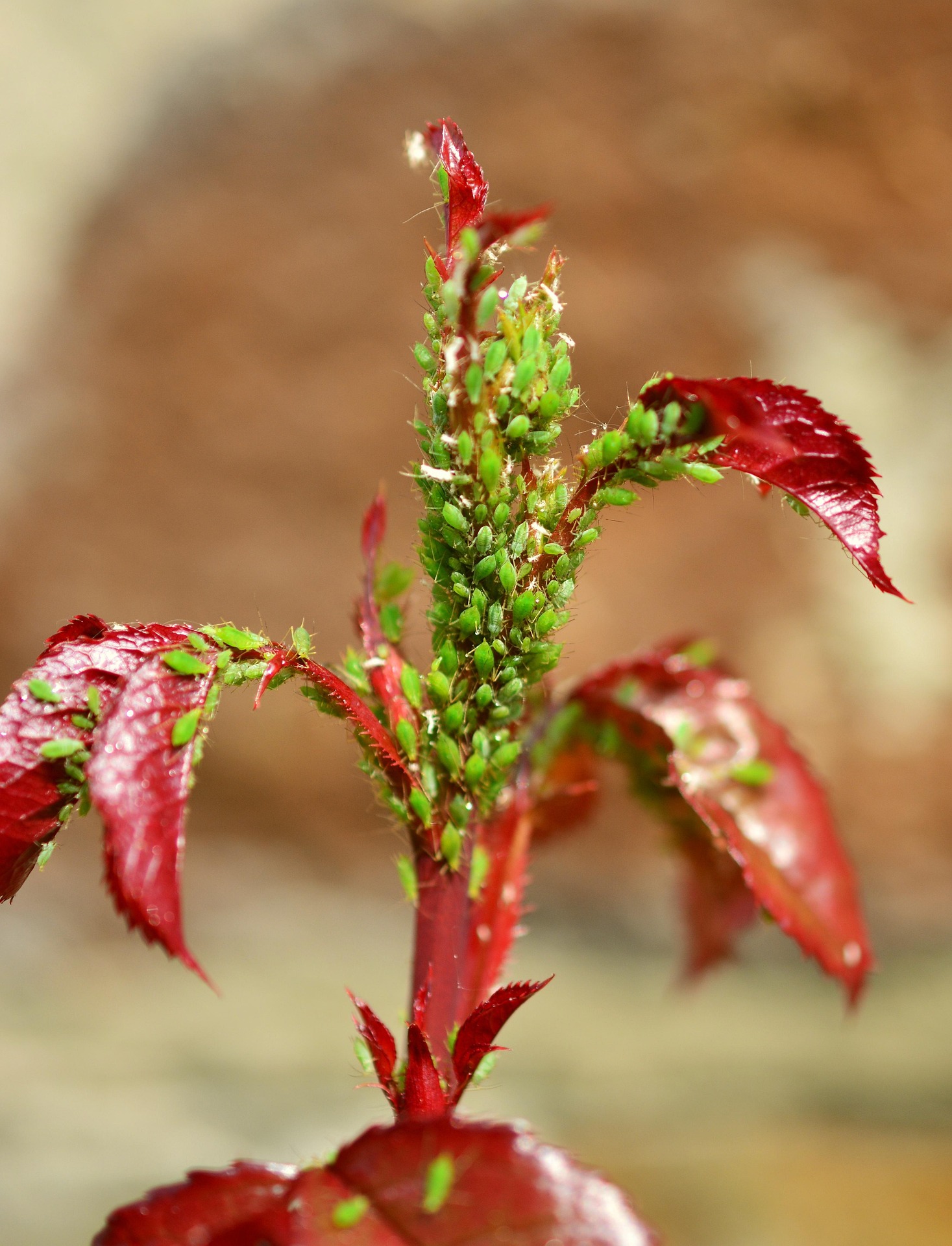
- Aphids – Tiny insects that form clusters on new plant growth. They reproduce rapidly, generally in cooler months, and suck the nutrients from plants. They cause leaf curl and yellowing of leaves. You can find them in – Rose, Hibiscus, and Vegetables.

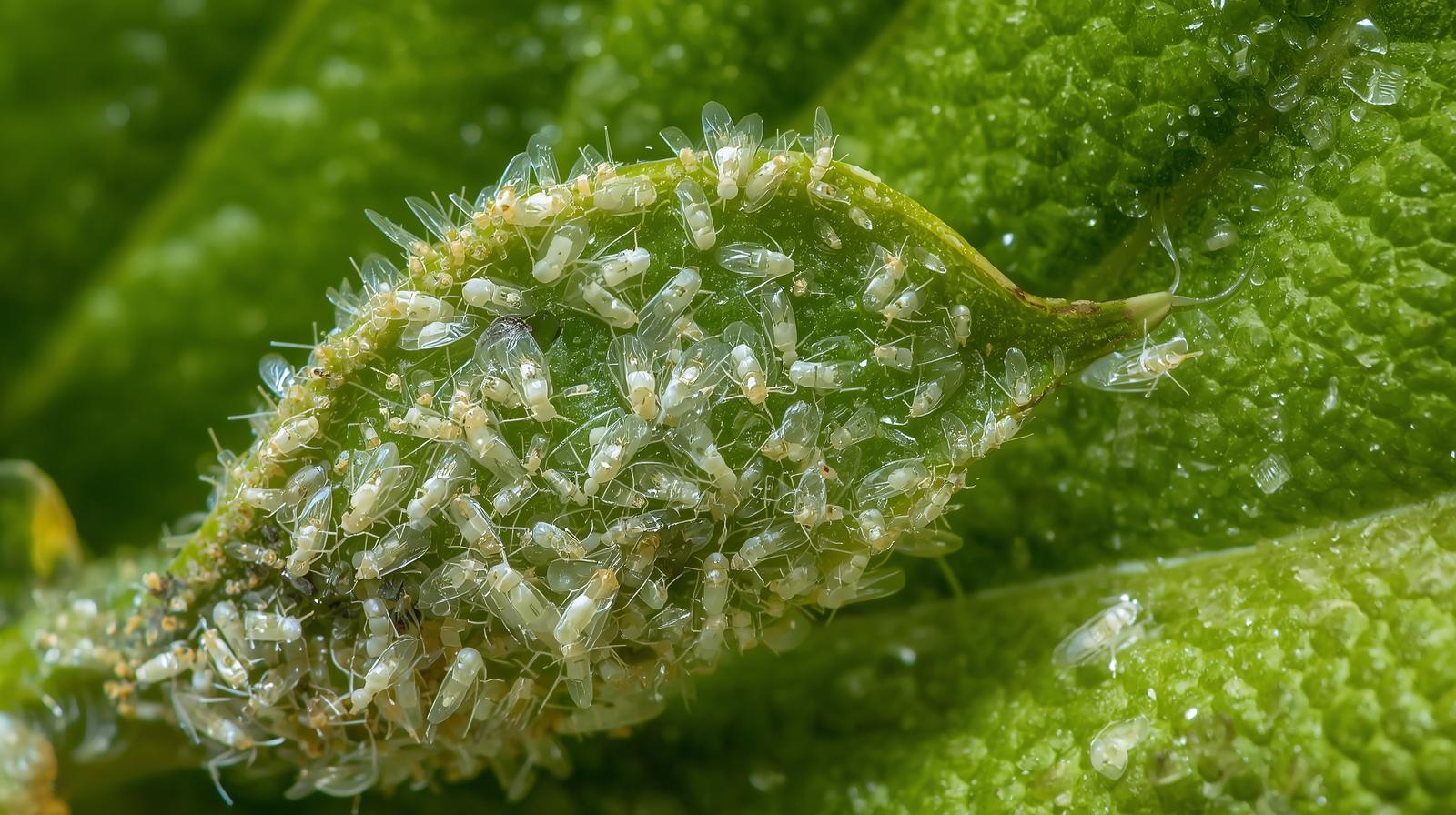
image source - Whiteflies – look like tiny white moths, living on leafs underside. They weaken the plant significantly. They thrive in low-air circulation areas. You can find them in – Tomatoes, chilies, and ornamental plants.

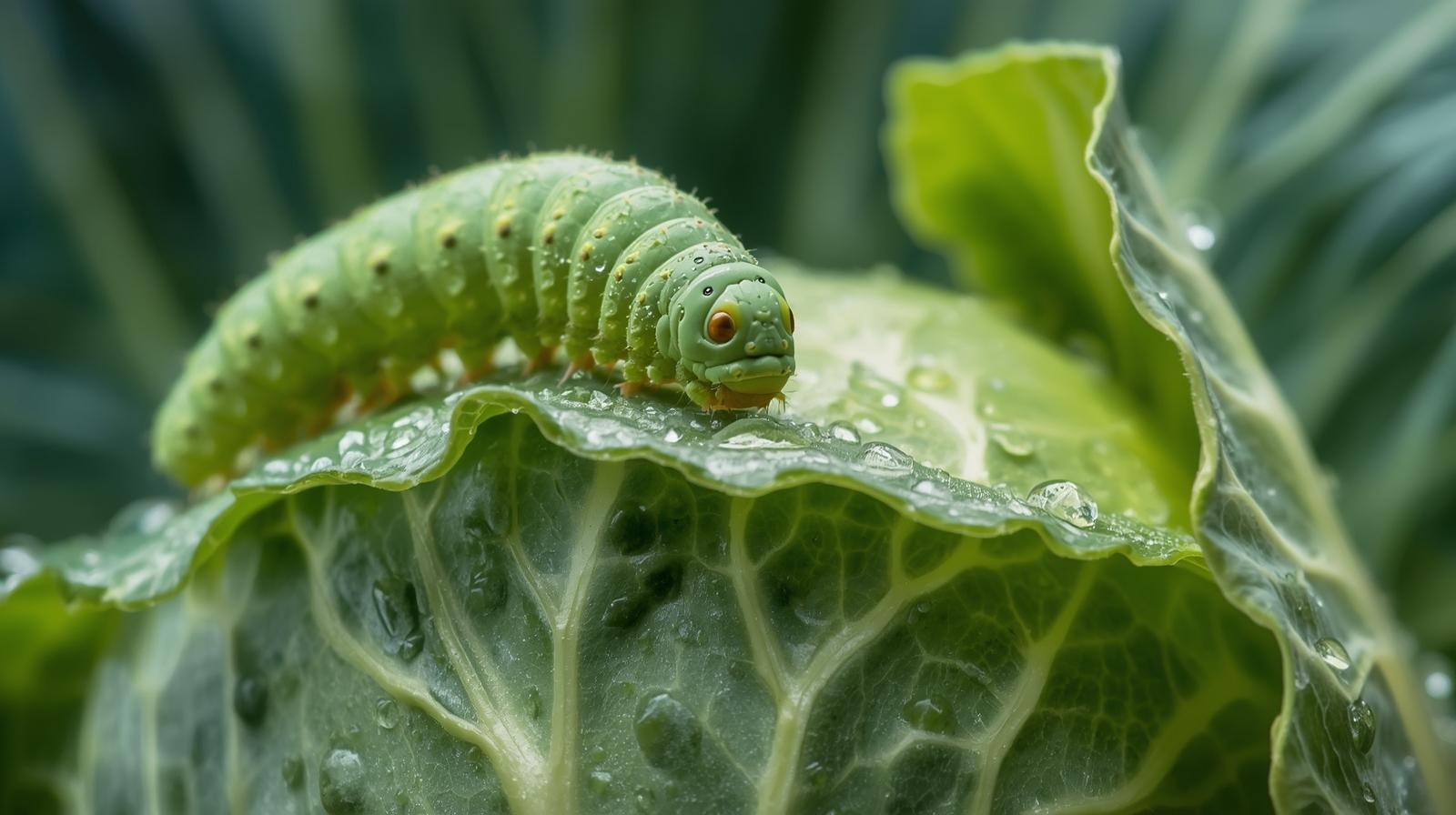
image source - Caterpillars – They are the larval stage of butterflies. They can eat your whole vegetable plant in a night. caterpillar targets brassicas, curry leaf plants, marigolds, and various vegetables.
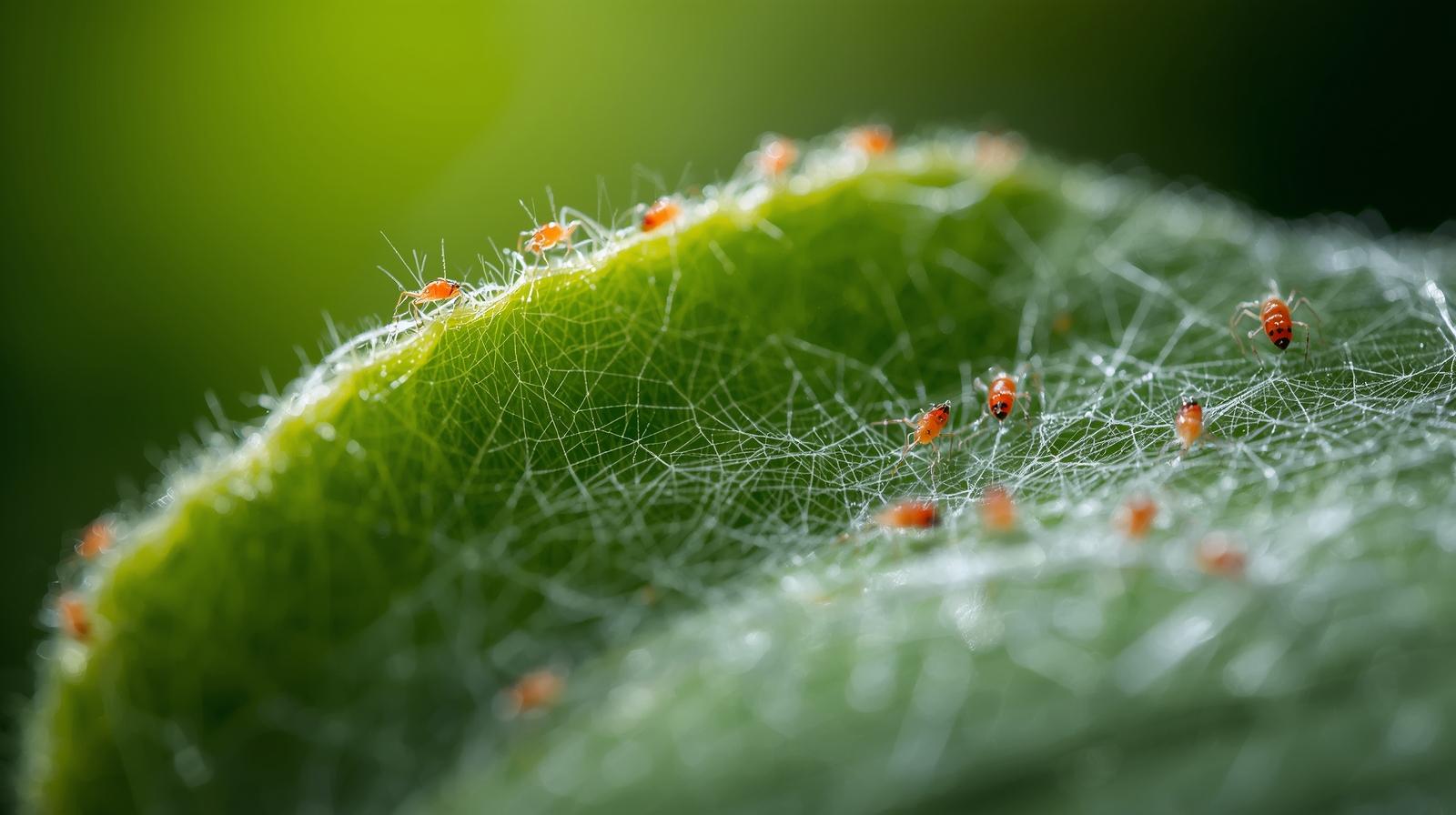
Image source - Spider mites – they are nearly invisible, but you can see their damage to your plant, like fine webbing in your plant and yellowing leaves. You can find them in Beans, roses, and cucurbits.
Image source
Chemical spray may give a quick solution, but an organic pest control method is better than chemical spray because –
- Organic methods protect the beneficial organisms in our garden, like ladybugs, lacewings, and parasitic wasps.
- Leaves no pesticide residue on edible plants.
- Sustainable and environmentally safe
- By using organic pest control methods, we work with nature, not against it.
Natural pest prevention strategies :
We all know that Prevention is better than a cure. So, for a pest-free garden, we have to prevent the pests. We can prevent pests naturally by creating a healthy ecosystem to discourage pests naturally by –
- good air circulation
- proper drainage
- allowing beneficial organisms in our garden
- Inspect the plant weekly for pests
- remove dead leaves
- Rotate crop seasonally.
DIY organic pesticides you can make at home :
There are various cost-effective, easy, and homemade methods by which you can prepare an organic pesticide at home by using some pest repellent kitchen ingredients like neem oil, chilli, garlic, soap water, etc.
Neem oil spray recipe and application :
Neem oil works very nicely on soft-bodied pests or insects like Aphids, Whiteflies, Mealybugs, Leafminers, Spidermites, Caterpillars, etc. Only neem oil spray can reduce 90% pest attacks on your garden.
How to prepare neem oil for spraying :
If you add neem oil directly to water, the neem oil will not mix with water. So, for mixing neem oil with water, add 4-5 drops of liquid soap. The steps are –
- 2-3 tablespoons of neem oil in 1 litre of water.
- Add 4-5 drops of liquid soap.
- shake it.
- Solution turns milky white.
Then you can spray on your plants.
Application of neem oil :
- Always spray pesticides in the evening when pests are most active.
- Spray all of your plants once in 1-2 weeks to prevent your garden from pests.
- After the rain, reapply it again.
NOTE: The hot sun can cause the oil to burn plant leaves.
Garlic and chilli spray for common pests :
This spray has an intense smell, and pests hate this. This spray works so nicely for caterpillars. The capsaicin from chilies and sulfur compounds from garlic create an environment that pests simply don’t want to be around. Steps for preparation and applications are –
- Crush 10 garlic cloves and 4-5 green chillies.
- Steep this mixture in a litre of water overnight.
- Strain the mixture and water with an old cloth.
- Before spraying, you should dilute it 10 times [ 100 ml of chilli garlic water with 1 litre of normal water].
- Spray this every 10-15 days on your vegetables and always spray in the evening.
Soap water solution for aphids :
If you see any aphids attacking your garden, then mix mild soap with water and spray on the aphid’s body. Always work on direct contact with aphids. This soap water spray can save you from a mild attack of Aphids.
Conclusion and final tips –
If you follow above mentioned tips and guidelines, like a consistent watering schedule with checking moisture in the soil, Seasonal adjustment of your watering and fertilization schedule, Organic pest control methods, and regular plant monitoring.
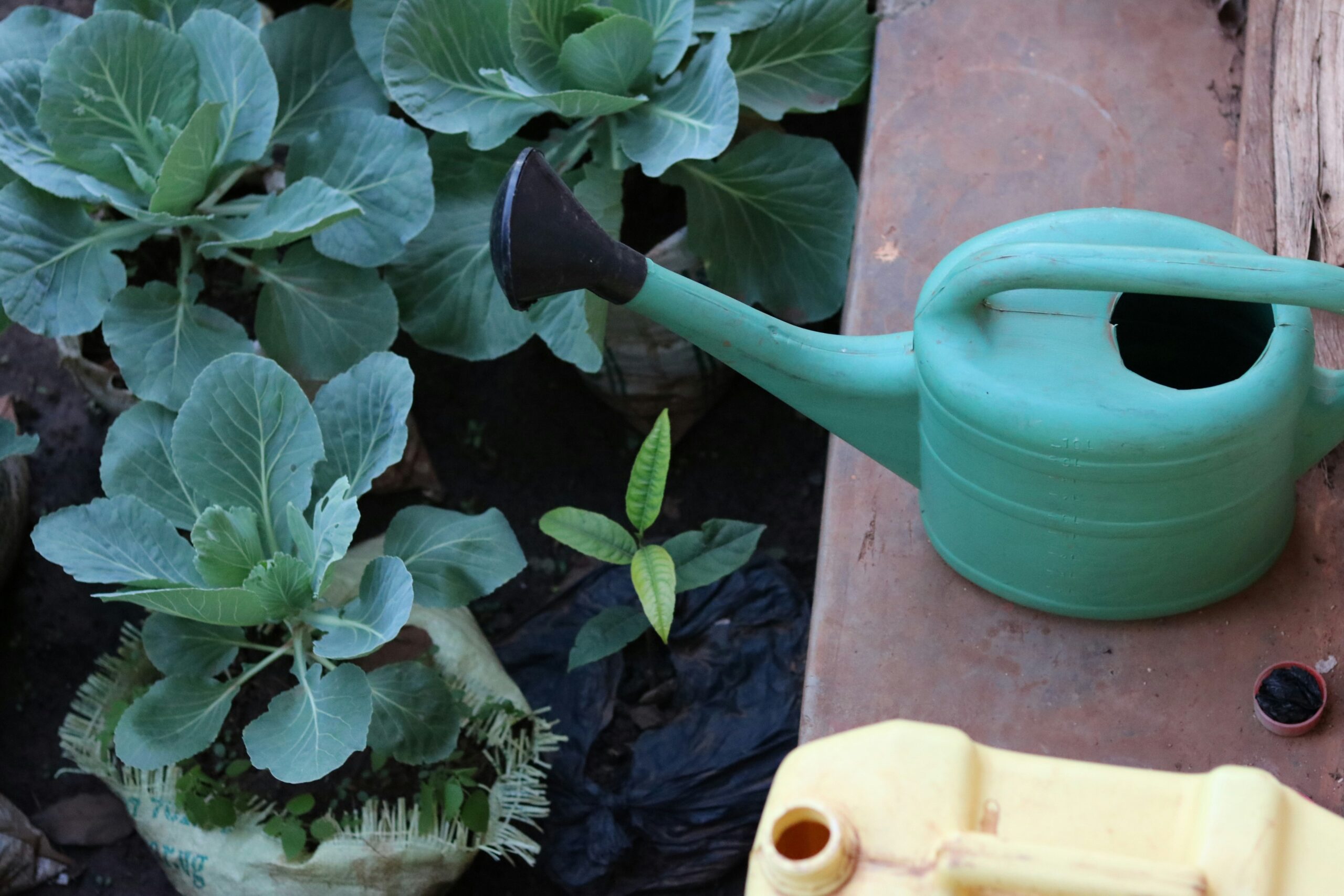
Then, without any doubt, you get all your benefits from a well-maintained terrace garden. A thriving, beautiful pest- and pesticide-free terrace garden can give you fresh organic fruits and vegetables while keeping your home cooler and improving air quality.
Thank you.